How-to · Blenders
Blender vs Food Processor for Smoothies
 By Laura Benning · Updated · How we pick
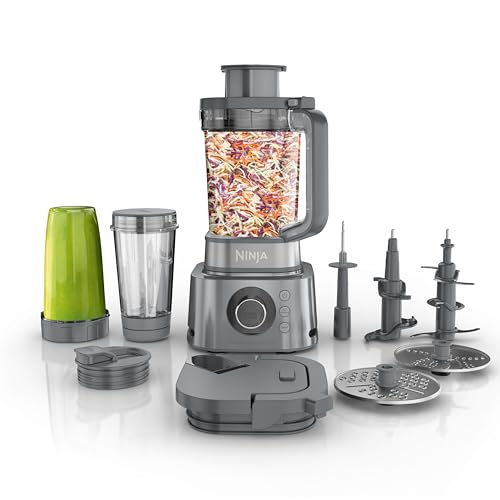
A blender is the right tool for smoothies. Its tall jar and blades pull liquid, fruit and ice down into a vortex, which gives a smooth, pourable drink. A food processor has a wide, shallow bowl made for chopping and mixing, so it works for thick smoothie bowls but leaves a coarser texture and is awkward to pour from.
What a blender does to fruit and ice
A blender jar is tall and narrow, and the blades sit at the bottom. When you add liquid first, then soft fruit, then frozen fruit and ice, the spinning blades pull everything down into a vortex that keeps the mix moving. That motion is what turns frozen chunks into a smooth drink you can pour into a glass. If the mix stops moving, stop the blender, stir the contents with a spoon, add a little more liquid, and blend again.
What a food processor does instead
A food processor has a wide, flat bowl with a blade that sweeps across the bottom. It chops, slices and mixes, and it handles dough and large amounts of chopped vegetables with ease. For a smoothie, it can turn frozen fruit and yogurt into a thick blend, but the wide bowl spreads the mix thin, so you must stop and scrape the sides often. Pouring from the bowl is awkward, and the texture stays coarser than a blender gives.
How to pick between the two
If you make smoothies most days, a blender is the practical choice: it blends and pours in one jar, and a large jar makes several servings at once. If you mostly chop, slice and mix dough, and only want a thick smoothie bowl now and then, a food processor covers both jobs. Check the jar size on the model you buy: the 68 oz jar on the Generic blender and the 72 oz pitcher on the Ninja hold large batches, while the 40 oz glass jar on the Hamilton Beach suits a single round.
Cleaning up after blending
Rinse the jar right after you pour, so fruit and yogurt do not dry on the blades. On models with a self-clean setting, add water and a drop of mild dish soap, run the setting, then rinse and dry the jar. Unplug the blender before you wipe the base.
What you need
As an Amazon Associate I earn from qualifying purchases. Product details come from each Amazon listing; we do not test products in person.
-

Generic 2000W Commercial Blender for Kitchen
Its 2,000 W motor and 68 oz jar blend large batches, with 12 speeds and a self-clean setting for quick rinses between rounds.
View on Amazon -

Hamilton Beach Power Elite Blender For Smoothies
Its 40 oz glass jar and 12 functions cover puree and crushed ice, and the jar, lid and blades can go in the dishwasher.
View on Amazon -

Ninja Professional Plus Blender
Its 72 oz pitcher and 3 Auto-iQ presets cover smoothies, frozen drinks and ice cream, with Total Crushing blades for ice.
View on Amazon -

Ganiza Smoothie Blender
Its 24 oz and 17 oz cups let you blend single servings and carry them along, with a 900 W motor and stainless steel blades.
View on Amazon
These come from our ranked list Best Blender for Smoothies, which compares them spec by spec.
FAQ
Can a food processor make a smoothie?
Yes, for a thick smoothie bowl: add frozen fruit and a little liquid, blend, then stop and scrape the sides until the mix turns even. The texture stays coarser than a blender gives, and pouring from the wide bowl is awkward.
What goes into the blender first?
Liquid goes in first, then soft fruit, then frozen fruit and ice on top. That order lets the blades pull the mix down into a vortex instead of spinning in air above dry chunks.
Do I need a large jar for smoothies?
It depends on how many servings you make at once. A 68 oz jar or a 72 oz pitcher holds several servings in one round, while a 40 oz jar suits a single round and a personal cup suits one serving.