How-to · Pool Heaters & Heat Pumps
How Does a Swimming Pool Heater Work
 By Laura Benning · Updated · How we pick
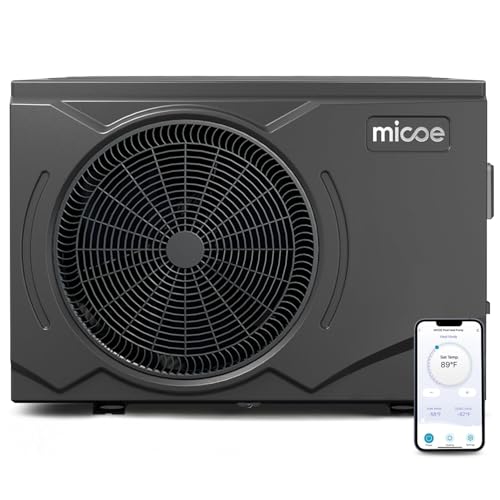
A pool heat pump moves heat from the surrounding air into the pool water. A fan pulls air over a coil, a compressor raises the temperature of the refrigerant in the coil, and a heat exchanger passes that heat to the water as the pump circulates it. The heated water flows back to the pool, and the cycle repeats until the water reaches the set temperature.
The fan pulls in outside air
The heat pump sits beside the pool and draws in the surrounding air with a fan. The air passes over a coil filled with refrigerant, a fluid that picks up heat from the air even when the air feels cool to you. The refrigerant warms as it moves through the coil, carrying the heat it collected toward the compressor. This is why the unit needs clear airflow around it: the fan has to keep pulling in fresh air for the coil to keep collecting heat.
The compressor raises the heat
The warmed refrigerant flows to the compressor, which squeezes it into a smaller space. Squeezing the refrigerant raises its temperature well above the temperature of the pool water. The hot refrigerant then moves to the heat exchanger, a coil that sits in the path of the water flowing through the heater. Because the refrigerant is hotter than the water, heat moves from the refrigerant into the water as the two pass each other.
The heat exchanger warms the water
Your pool pump pushes water from the pool through the heat exchanger and back again. As the water passes the hot coil, it picks up heat and leaves the heater warmer than it arrived. The cycle repeats as long as the pump runs and the water stays below the temperature you set on the control panel. Once the water reaches that set temperature, the heat pump stops heating until the water cools and the cycle starts again.
Heating and cooling modes
The same cycle can run in reverse to cool the water, so a heat pump with heating and cooling modes can lower the water temperature as well as raise it. In colder weather, an auto-defrost cycle clears ice from the coil so the fan can keep pulling in air. A pool cover also helps: it holds in the heat the pump added, so the heater runs less often to keep the water at the temperature you set.
What the BTU figure tells you
The BTU figure on a heat pump states its heat output: a higher figure means the unit can add more heat to the water. Match the figure to the size of your pool by checking the gallons the maker lists for that model. The MICOE lists 75,000 BTU for pools up to 21,000 gallons, the Oibath lists 35,000 BTU, the Varpoolfaye lists 30,000 BTU for pools up to 7,000 gallons, and the AQUASTRONG lists 16,000 BTU for pools up to 5,000 gallons.
What you need
As an Amazon Associate I earn from qualifying purchases. Product details come from each Amazon listing; we do not test products in person.
-
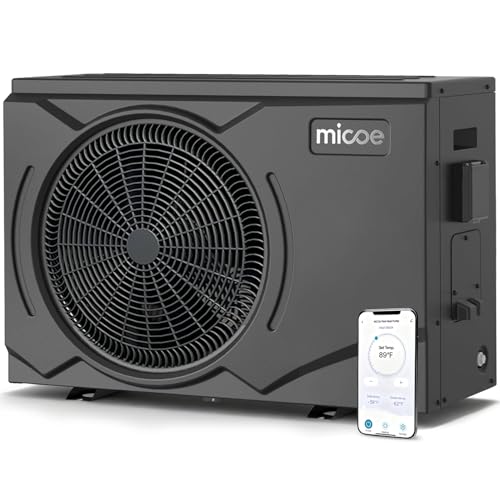
MICOE 75,000 BTU Pool Heat Pump
Its 75,000 BTU output warms pools up to 21,000 gallons, and its titanium heat exchanger works with freshwater and saltwater systems.
View on Amazon -

Varpoolfaye 30,000 BTU Electric Above Ground Pool
Its 30,000 BTU output suits pools up to 7,000 gallons, and WiFi control lets you adjust temperature and schedules from the app.
View on Amazon -

AQUASTRONG Swimming Pool Heater for Above Ground
Its 16,000 BTU output suits pools up to 5,000 gallons, with a 5.5 COP and a 3-year warranty.
View on Amazon -

Oibath 35,000 BTU Full Inverter Pool Heat
Its 35,000 BTU full inverter output adjusts to heating demand, and WiFi and Bluetooth control let you adjust temperature from your phone.
View on Amazon
These come from our ranked list Best Pool Heater, which compares them spec by spec.
FAQ
Does a pool heat pump use gas?
No. A heat pump runs on electricity and moves heat from the surrounding air into the water instead of burning fuel to make heat. That is why it needs a power supply and clear airflow around the unit rather than a gas line.
Why is water coming out of the bottom of my heat pump?
Condensation forms during the heat exchange and defrosting processes, and it can drip from the bottom of the unit. Condensation leaking from the bottom is normal. If the water keeps flowing when the pump is off, check the manual or contact the maker.
Can a pool heat pump cool the water too?
Yes. The MICOE, Varpoolfaye and AQUASTRONG each list heating and cooling modes, so the same unit can lower the water temperature as well as raise it. Set the cooling range on the control panel, and use a pool cover to hold the cooler temperature.